

Majuli
Brahmaputra, Assam — December 2025
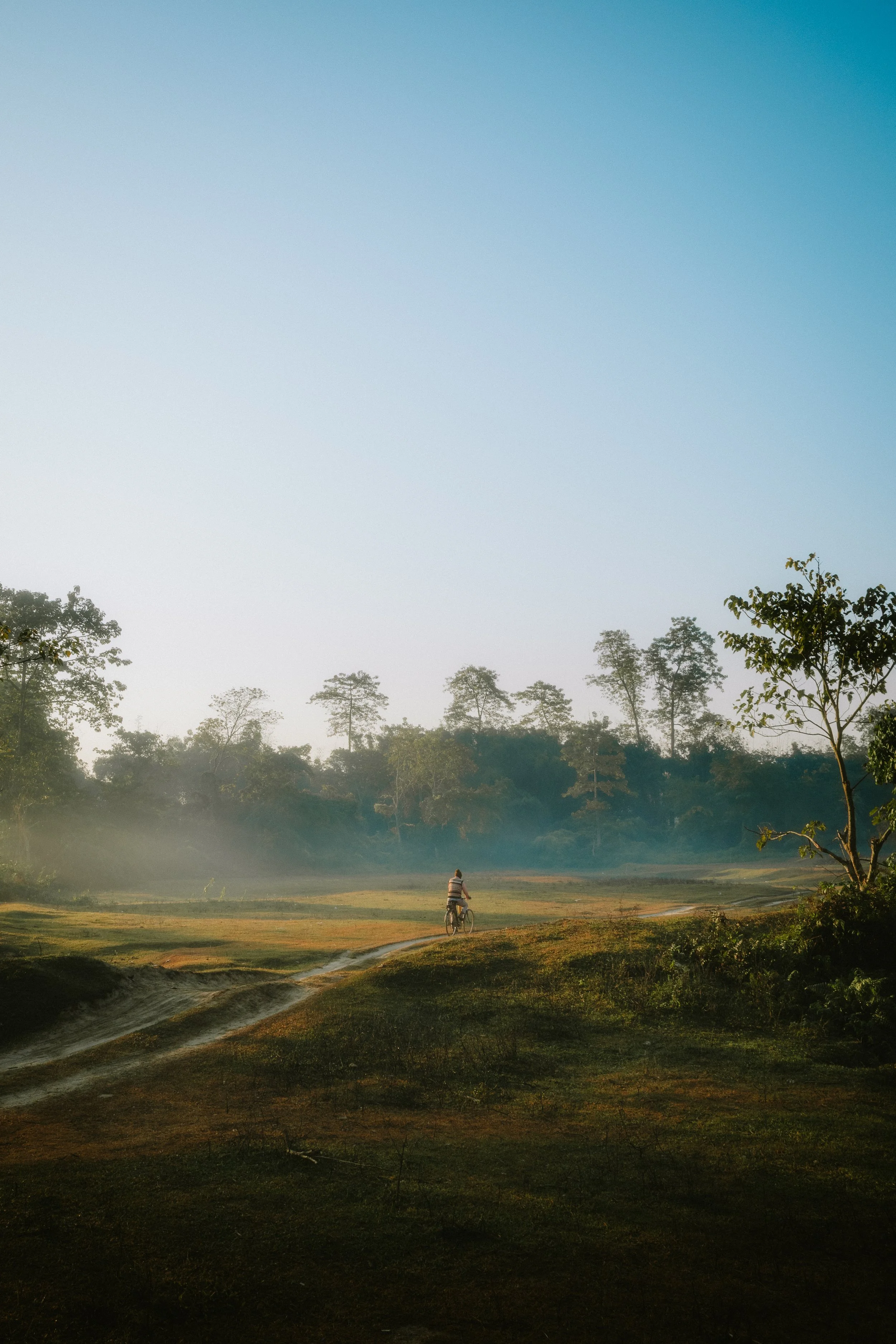
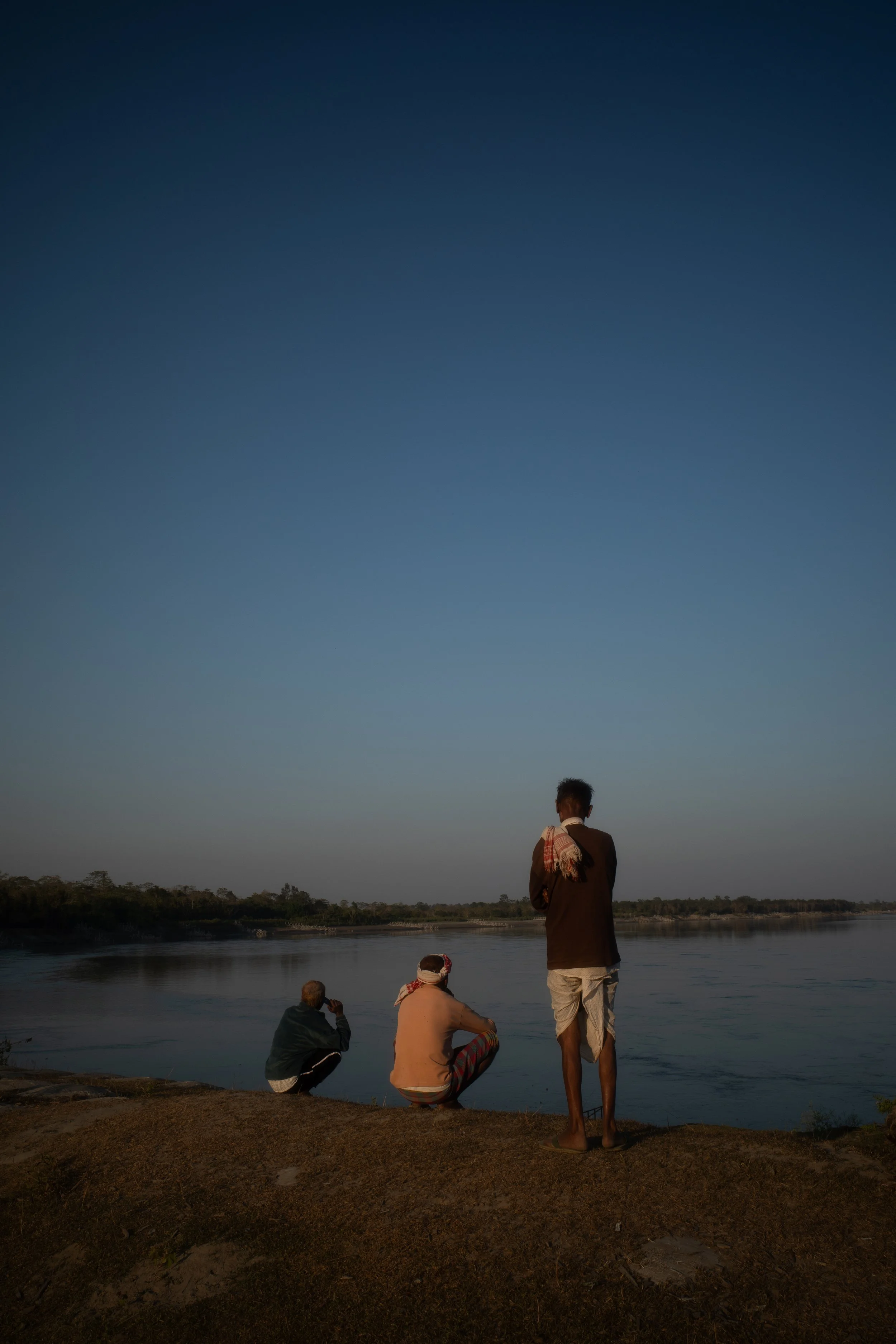
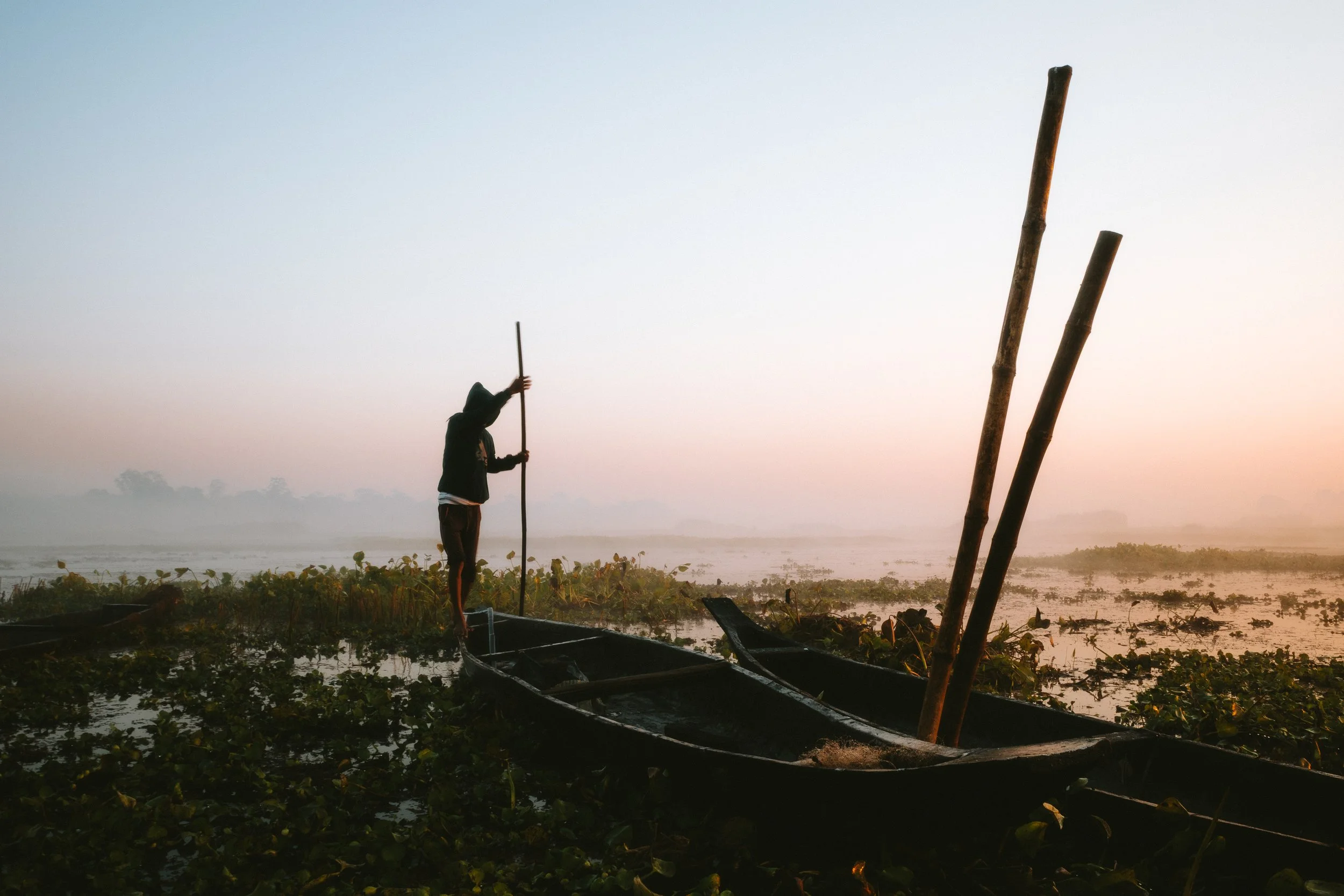
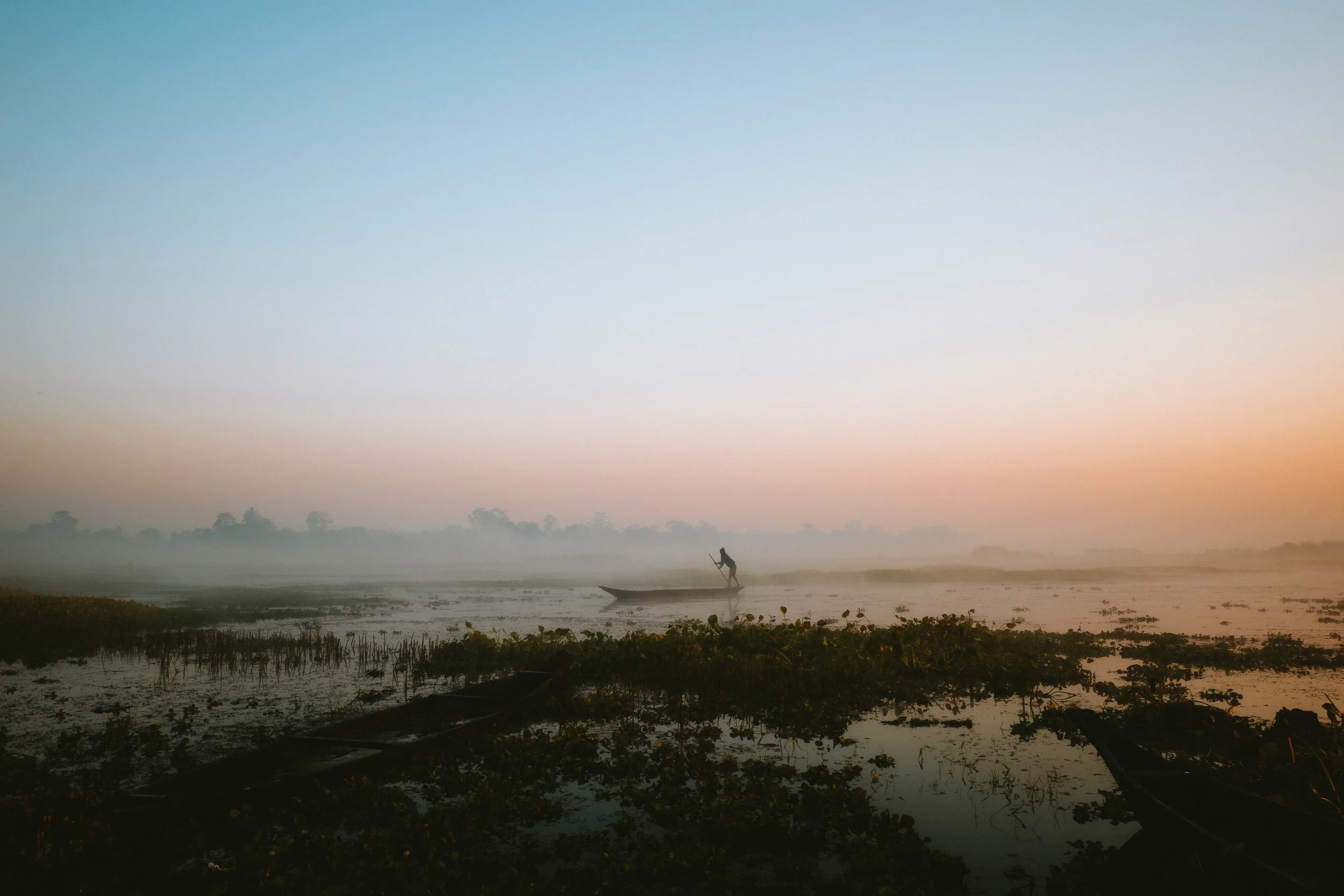
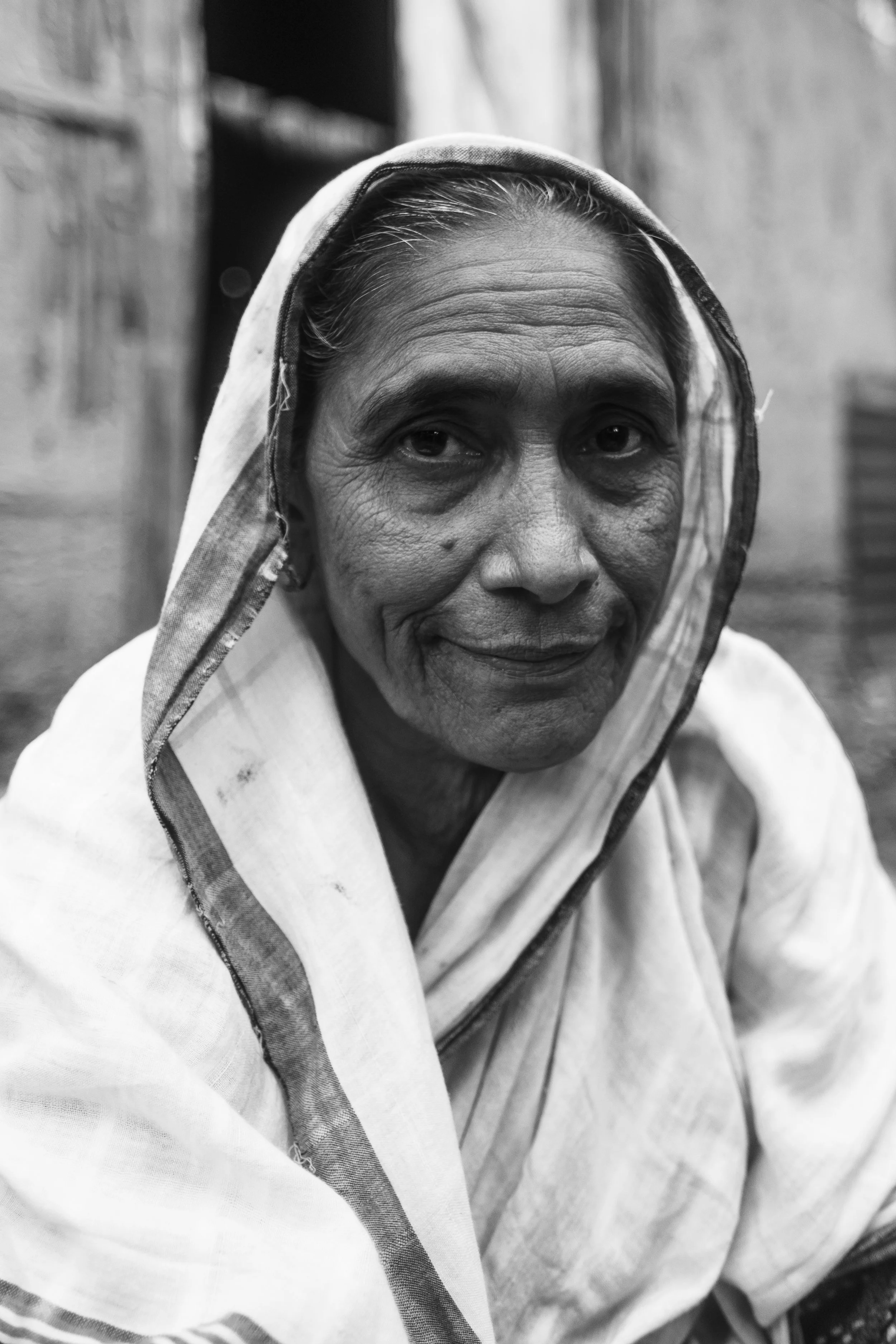
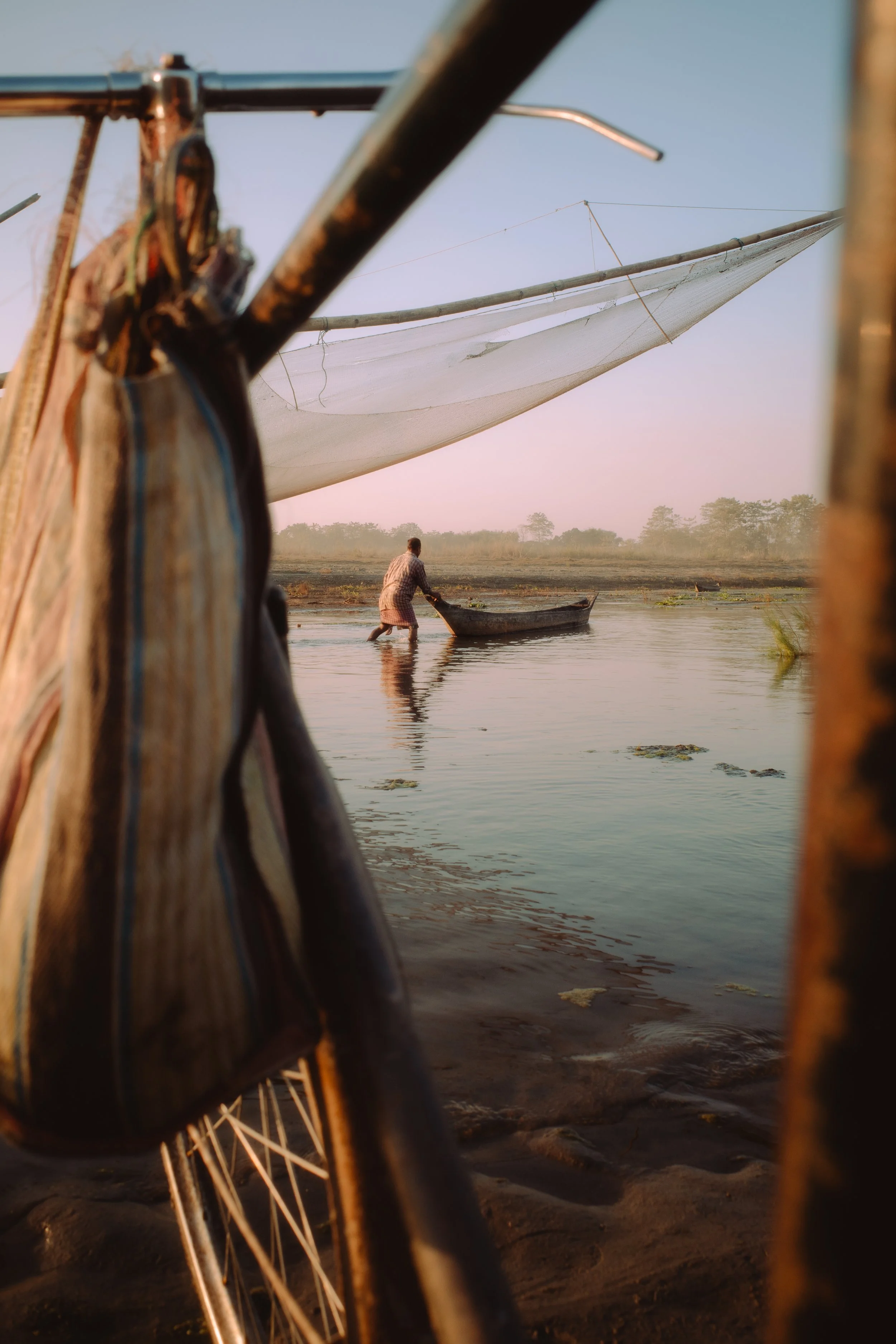
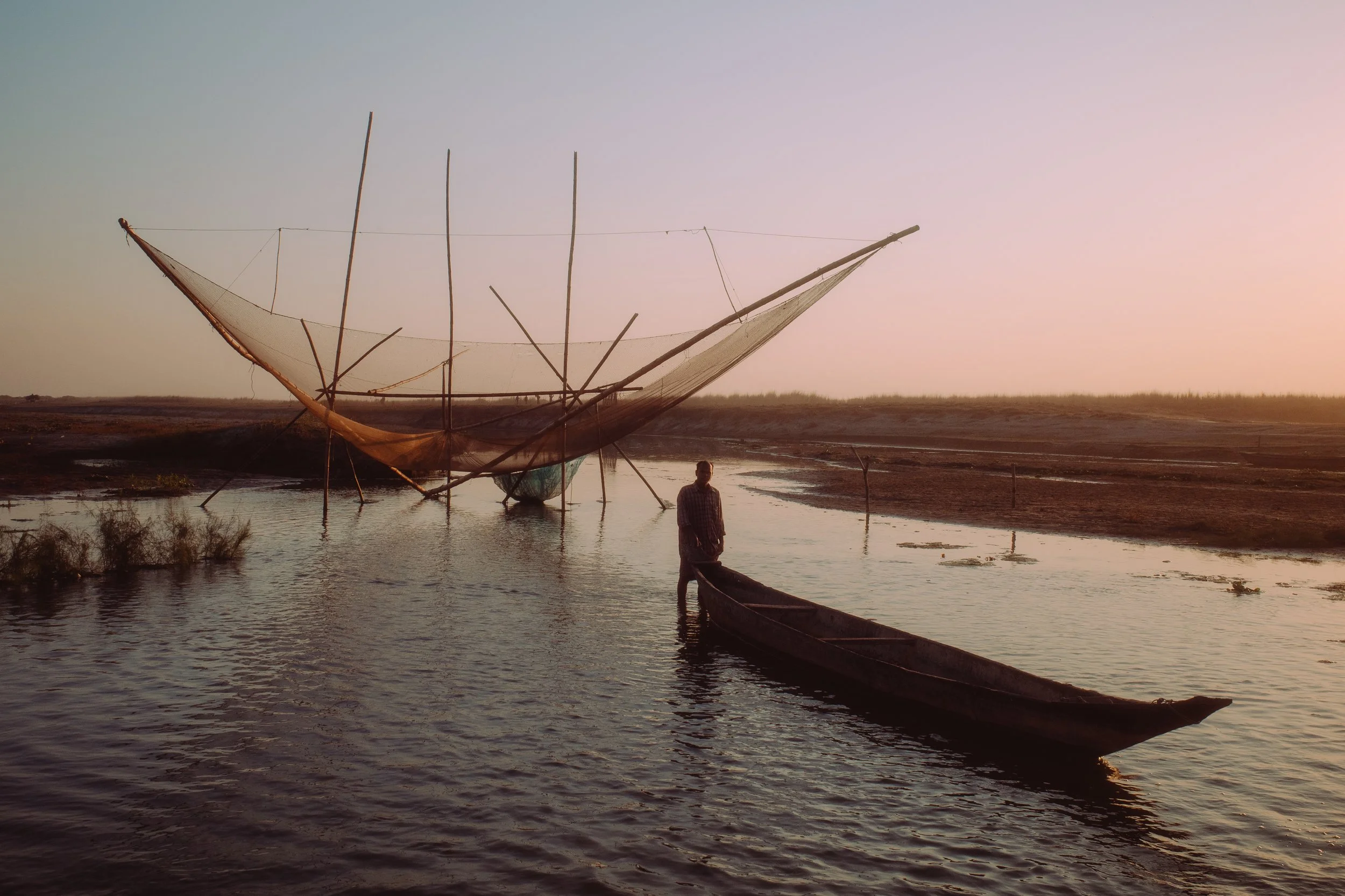
“Pani komise, ne badhise?” — is the water low, how is the current. In Majuli this isn't small talk. As the day ends people gather by the river and trade observations, and stories of past floods. It's how the knowledge gets passed on: watching, remembering, talking.
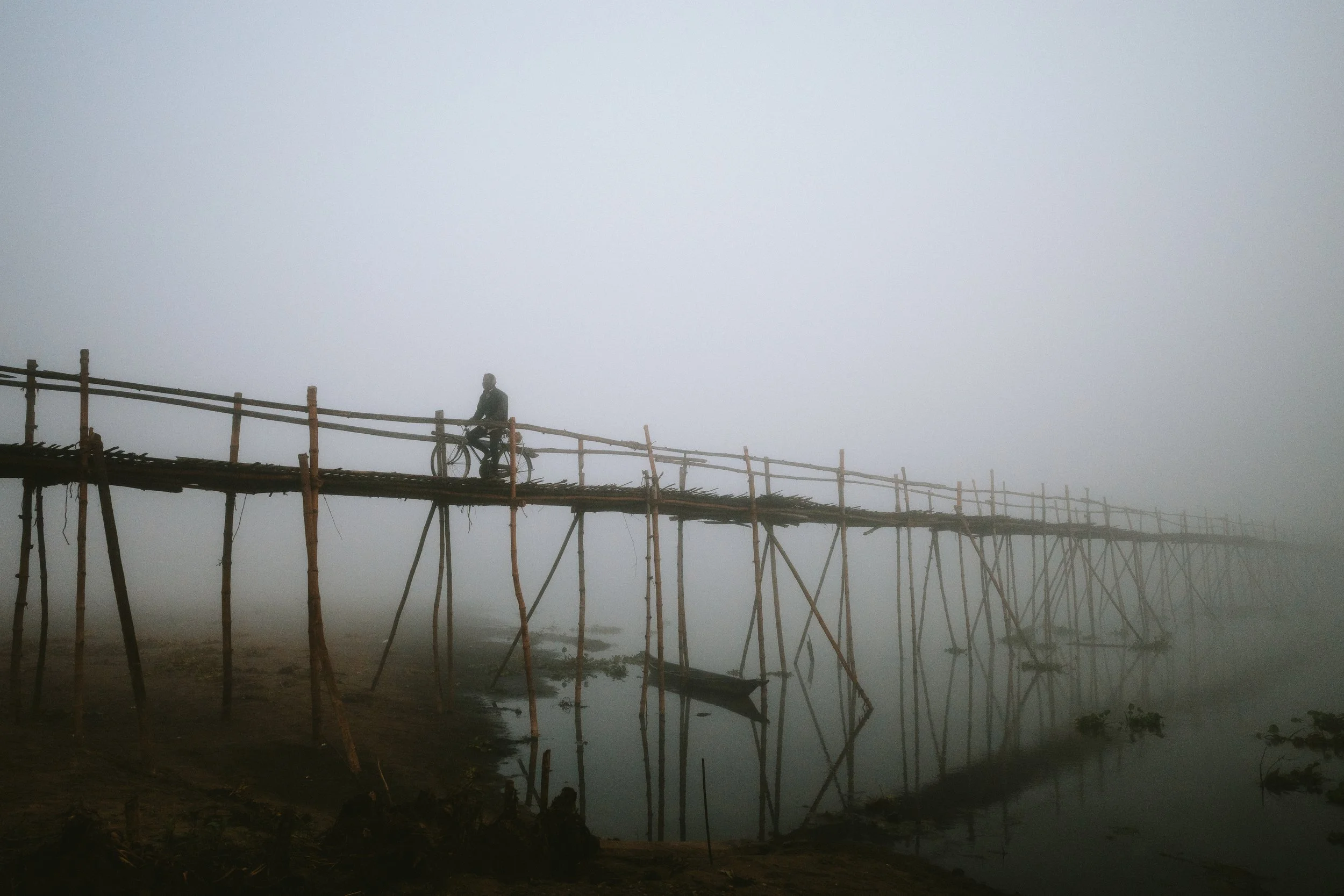
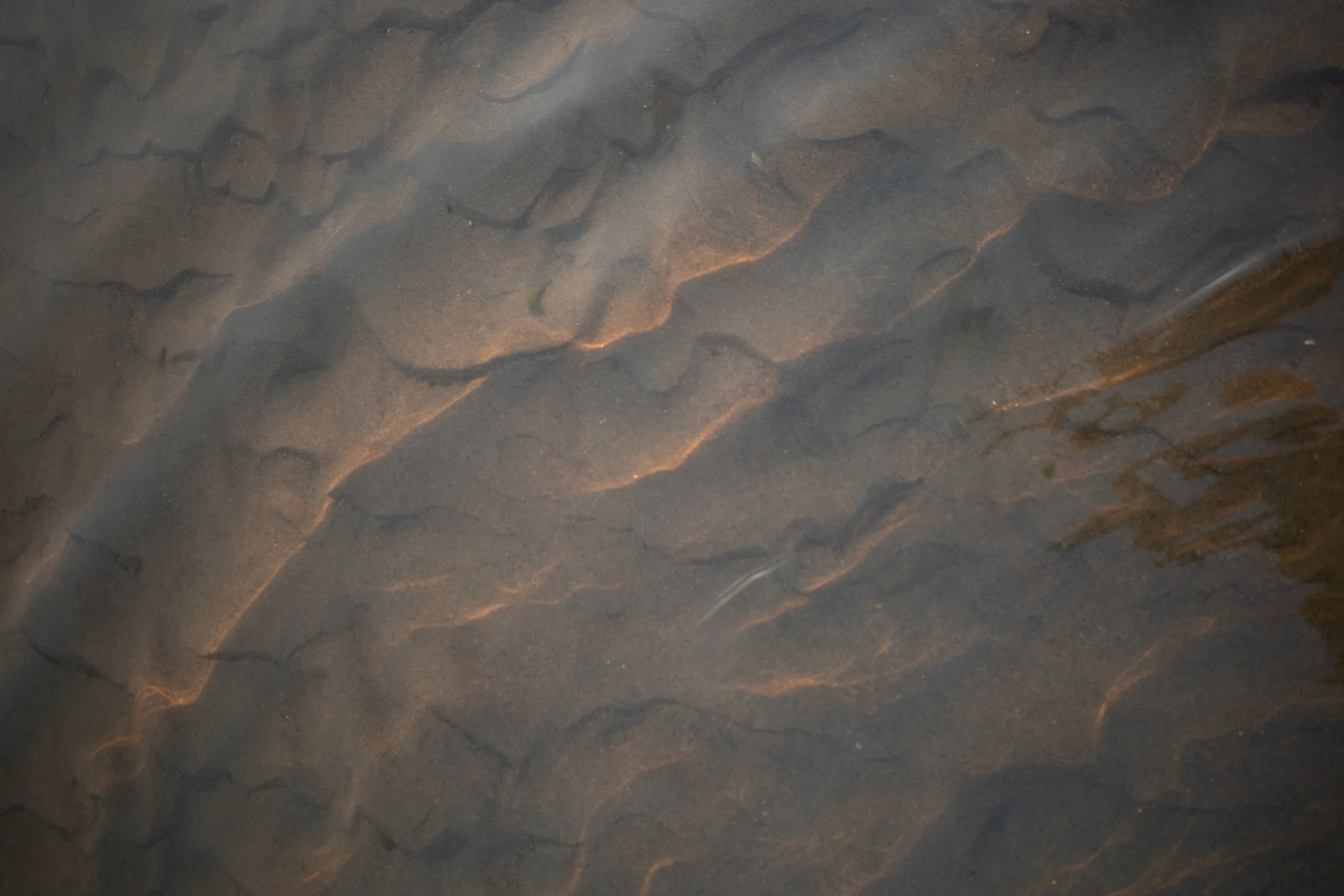
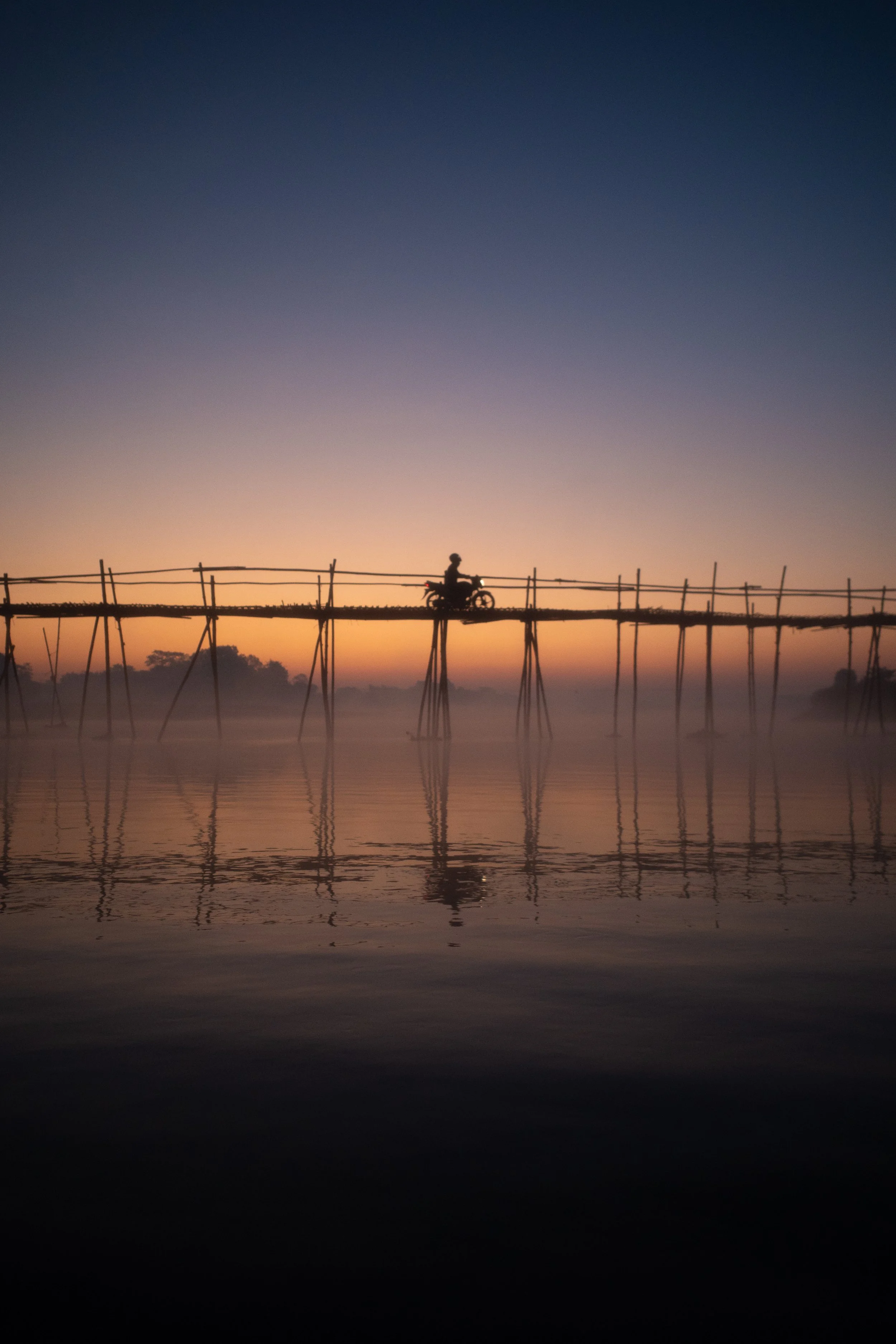
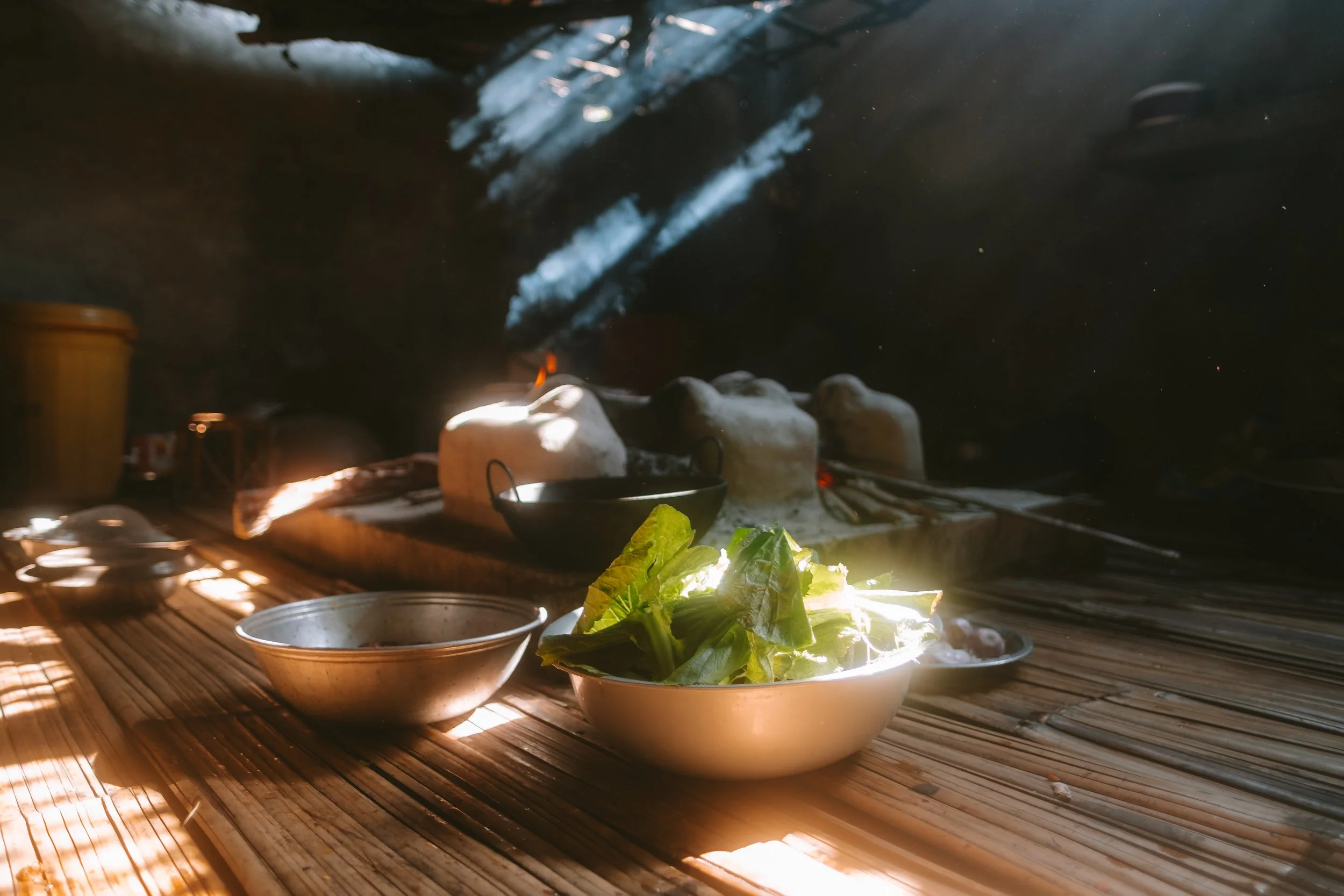
I came here to photograph bamboo bridges. I didn't expect to leave unsettled. The Brahmaputra is geologically young and restless, and every monsoon it redraws the map. For centuries people lived knowing nothing was permanent — not land, not homes, not routes — and stayed anyway. Flooding wasn't a disaster here. It was rhythm. Homes were light, possessions few, movement normal. A house that could be dismantled wasn't a compromise; it was common sense. The bridges make the logic visible. They sag. They sway. They're rebuilt every year, repaired locally, no permissions, no delays. They don't resist the river.
After the 1950 Assam earthquake and the floods that followed, the state began to see the river differently — as a problem to fix. Flooding became failure and the answer was concrete: embankments, roads, dams. But rivers remember their old paths. Embankments break, and when they do the floods arrive harder. What's left behind isn't protection. It's evidence.
Majuli never asked to be fixed. It survived by accepting loss and designing life around it — systems built to be rebuilt, carried forward in practice rather than poured into concrete. The river is patient. Our ambitions rarely are.
Notes from this project
Majuli, Slowly — notes from an island that refuses permanence: bamboo, concrete, and what the state gets wrong about a river. Read →
With thanks to Mirza Zulfiqur Rahman and Manish Lakhani, whose work and guidance shaped how I encountered Majuli — as a place and as a system.